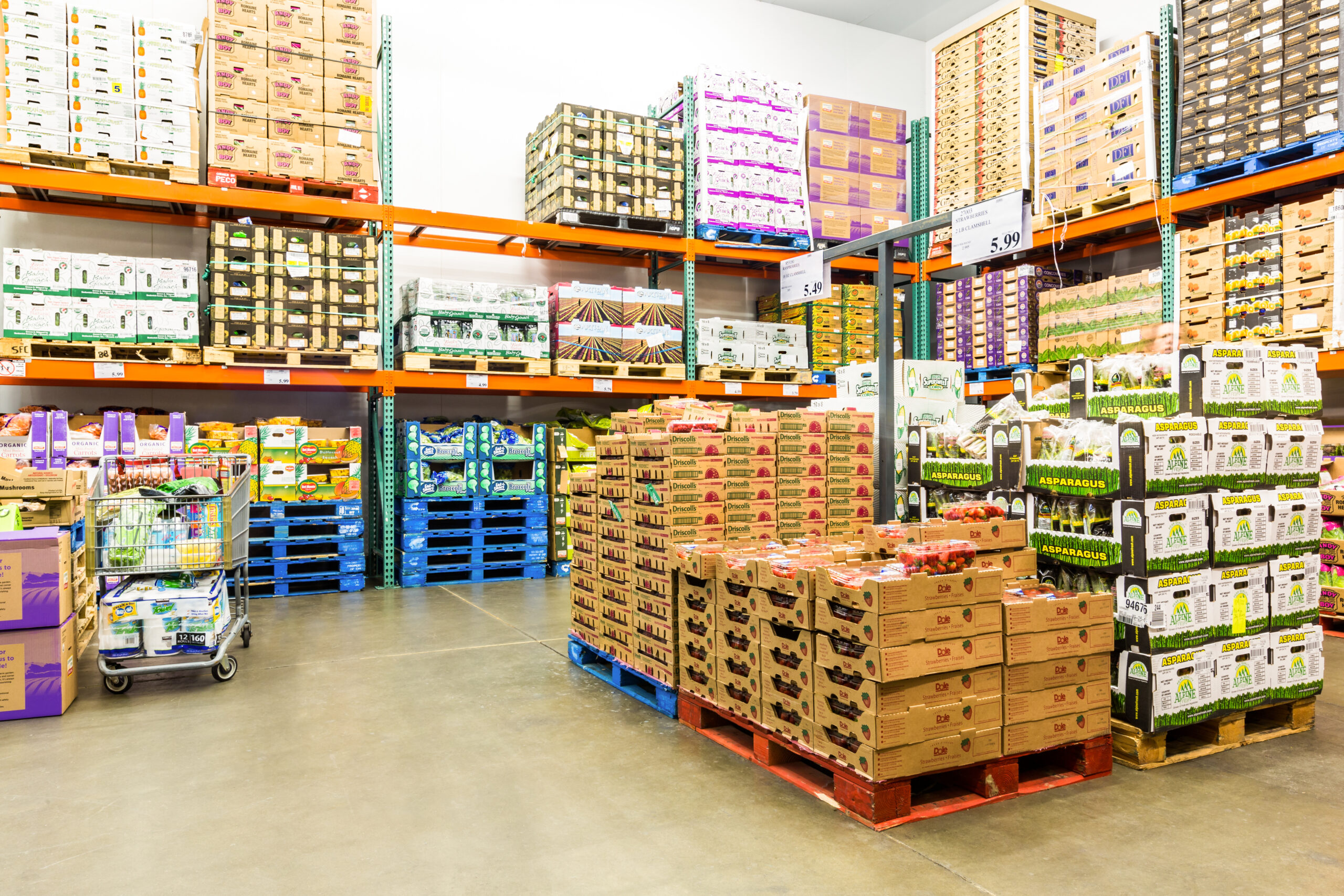
Choosing the right cold storage facility is crucial for ensuring the safety and quality of your perishable goods. Here’s a guide to help you make an informed decision:
1. Assess Your Needs
a. Type of Goods:
- Perishable Products: Fruits, vegetables, dairy, meats, seafood.
- Pharmaceuticals: Medications, vaccines.
- Specialized Items: Chemicals, plants.
b. Storage Requirements:
- Temperature Needs: Different goods require specific temperature ranges.
- Humidity Control: Some items need controlled humidity levels.
c. Volume and Space:
- Determine the amount of space you need based on the volume of goods.
2. Evaluate Facility Capabilities
a. Temperature Control:
- Consistency: Ensure the facility can maintain a consistent temperature.
- Range: Verify that the facility can handle the temperature range required for your goods.
b. Equipment Quality:
- Refrigeration Units: Check the condition and type of refrigeration systems used.
- Backup Systems: Confirm the presence of backup power systems and emergency protocols.
c. Hygiene and Safety Standards:
- Ensure the facility adheres to strict cleanliness and safety protocols to prevent contamination.
3. Consider Location
a. Proximity:
- Choose a facility close to your supply chain or distribution points to reduce transportation costs and delays.
b. Accessibility:
- Evaluate the facility’s accessibility for delivery and pick-up.
4. Check Facility Security
a. Physical Security:
- Look for security measures such as surveillance cameras, security personnel, and controlled access points.
b. Inventory Management:
- Ensure the facility has a robust inventory management system to track and manage your goods efficiently.
5. Review Service Levels
a. Customization:
- Check if the facility offers customized storage solutions to meet your specific needs.
b. Support and Communication:
- Evaluate the facility’s customer service, responsiveness, and support.
6. Assess Costs
a. Pricing Structure:
- Understand the pricing model—whether it’s based on space, time, or specific services.
b. Hidden Fees:
- Be aware of any additional costs such as handling fees, insurance, or maintenance charges.
c. Value for Money:
- Consider the overall value in terms of service quality, security, and convenience.
7. Verify Compliance and Certifications
a. Regulatory Compliance:
- Ensure the facility complies with local and international regulations relevant to your industry.
b. Certifications:
- Look for certifications such as ISO, HACCP, or other industry-specific standards that indicate adherence to quality and safety practices.
8. Seek References and Reviews
a. Client Testimonials:
- Ask for references from current or past clients to gauge their satisfaction and experience.
b. Online Reviews:
- Check online reviews and ratings for additional insights into the facility’s reputation.
9. Conduct a Facility Tour
a. Inspection:
- Visit the facility to inspect the condition of the storage areas, equipment, and overall cleanliness.
b. Meet the Team:
- Meet with the staff to assess their professionalism and expertise.
10. Negotiate Terms
a. Contract Terms:
- Review and negotiate the terms of the contract, including duration, renewal options, and termination clauses.
b. Service Level Agreements (SLAs):
- Ensure SLAs are clearly defined to outline the quality and scope of services provided.
By carefully evaluating these factors, you can select a cold storage facility that best meets your needs and ensures the safe and efficient storage of your goods.